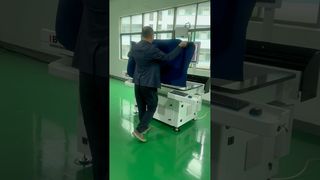
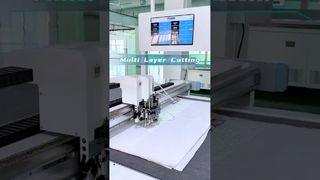
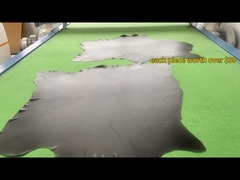
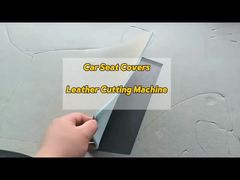
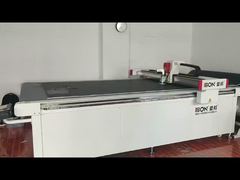
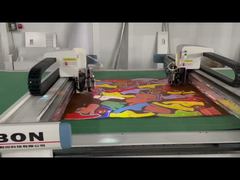
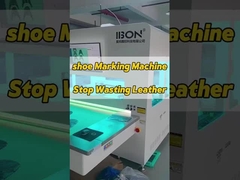
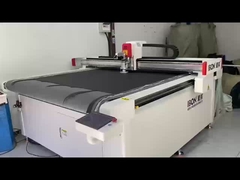
Brief: Ever wondered how a CNC fabric cutting machine can revolutionize your production line? This video provides a detailed walkthrough of the IBON digital cutter, showcasing its high-speed cutting capabilities for single and multi-layer fabrics. You'll see the automatic nesting software, vacuum adsorption system, and various cutting tools in action, demonstrating precise, efficient cutting for materials like leather, upholstery, and composites.
Related Product Features:
Equipped with high-speed wheel or pneumatic cutting tools for both single and multi-layer fabric cutting.
Features automatic nesting software and an automatic feeding system for optimized material usage.
Utilizes a vacuum adsorption system to securely fix roll-shaped fabrics during the cutting process.
Compatible with design software like AI, CorelDraw, and CAD for seamless graphic import and cutting.
Offers high cutting precision of ±0.1mm and repeat accuracy of ≤0.05mm for intricate patterns.
Supports a wide range of materials including leather, foam, carbon fiber, and various fabrics.
Includes safety features like physical anti-collision and infrared induction to ensure operational safety.
Designed for efficiency, reducing manual cutting time and waste while increasing production throughput.
FAQs:
What materials can the IBON CNC fabric cutting machine handle?
The machine is versatile and can cut a wide range of flexible materials, including Oxford cloth, nonwoven fabric, synthetic leather, cowhide, PVC, foam, carbon fiber, rubber, sponge, and various composites used in upholstery, garments, and automotive industries.
How does the machine ensure precise cutting for complex patterns?
It achieves high precision with cutting accuracy of ±0.1mm and repeat accuracy of ≤0.05mm, utilizing advanced software for automatic nesting and vacuum adsorption to securely hold materials, ensuring clean and accurate cuts even for intricate designs.
What are the advantages of using this CNC cutter over manual cutting methods?
The CNC cutter significantly increases efficiency and speed, reduces fabric waste through optimized nesting, lowers labor costs, and handles high-volume production with consistent precision, overcoming limitations of manual cutting like low efficiency and high error rates.